Valle di Foiòi ****
 Kinderfreundliche Umgebung
 Kinderfreundliche Routen
 Ideal im Frühling
 Ideal im Sommer
 Ideal im Herbst
 Ideal im Winter
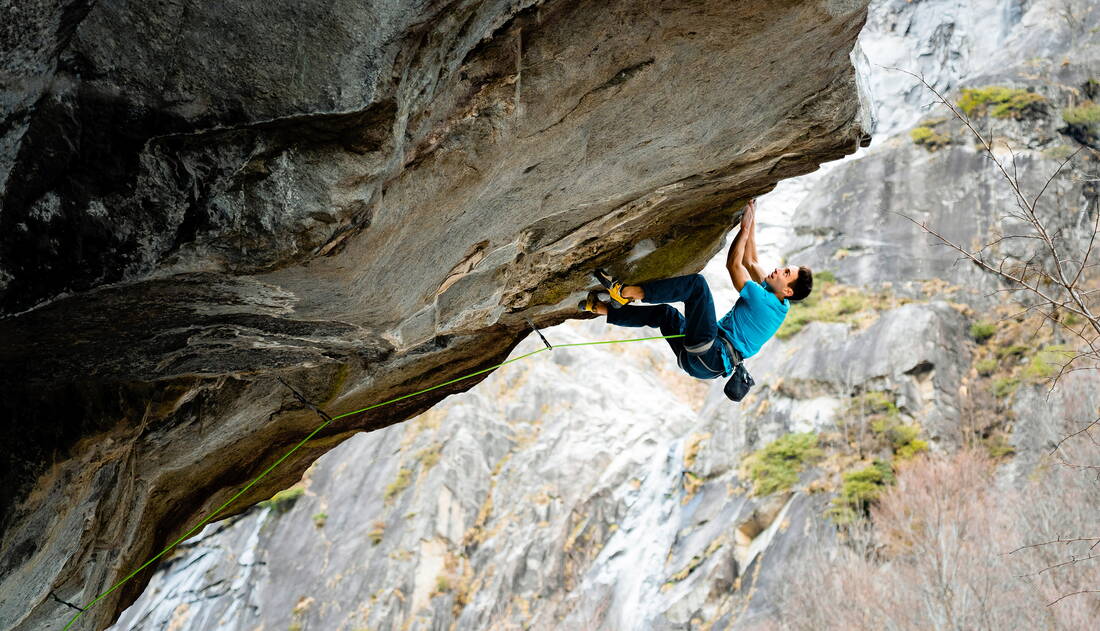
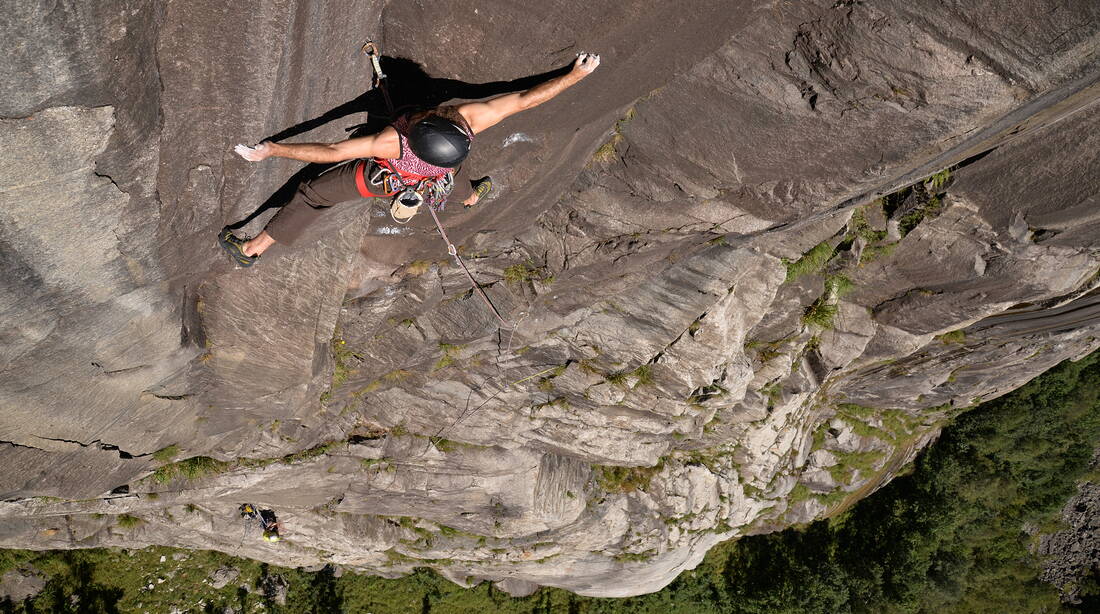
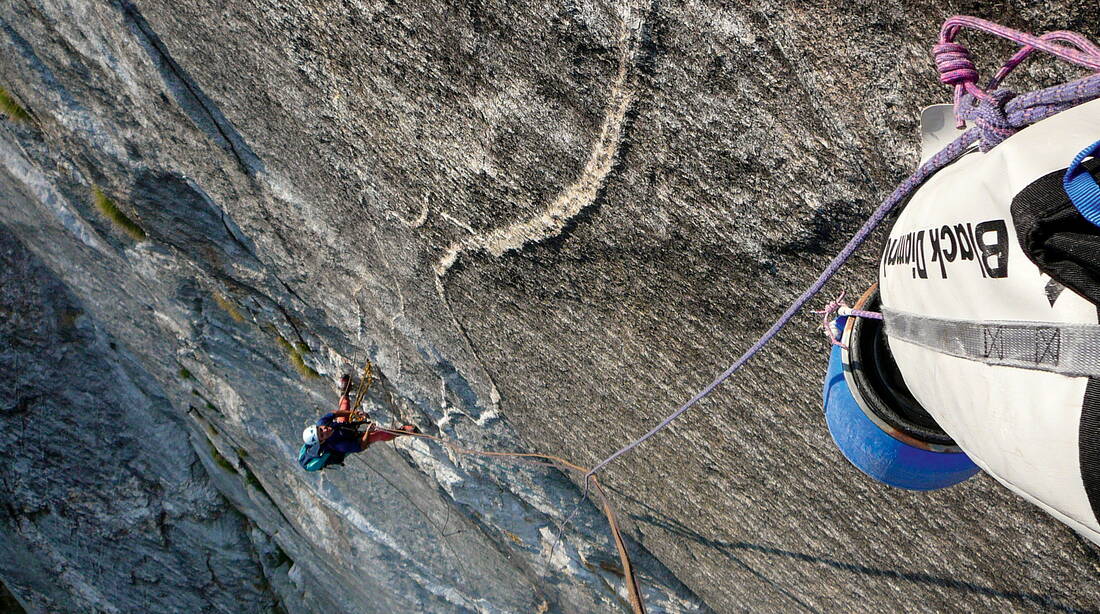
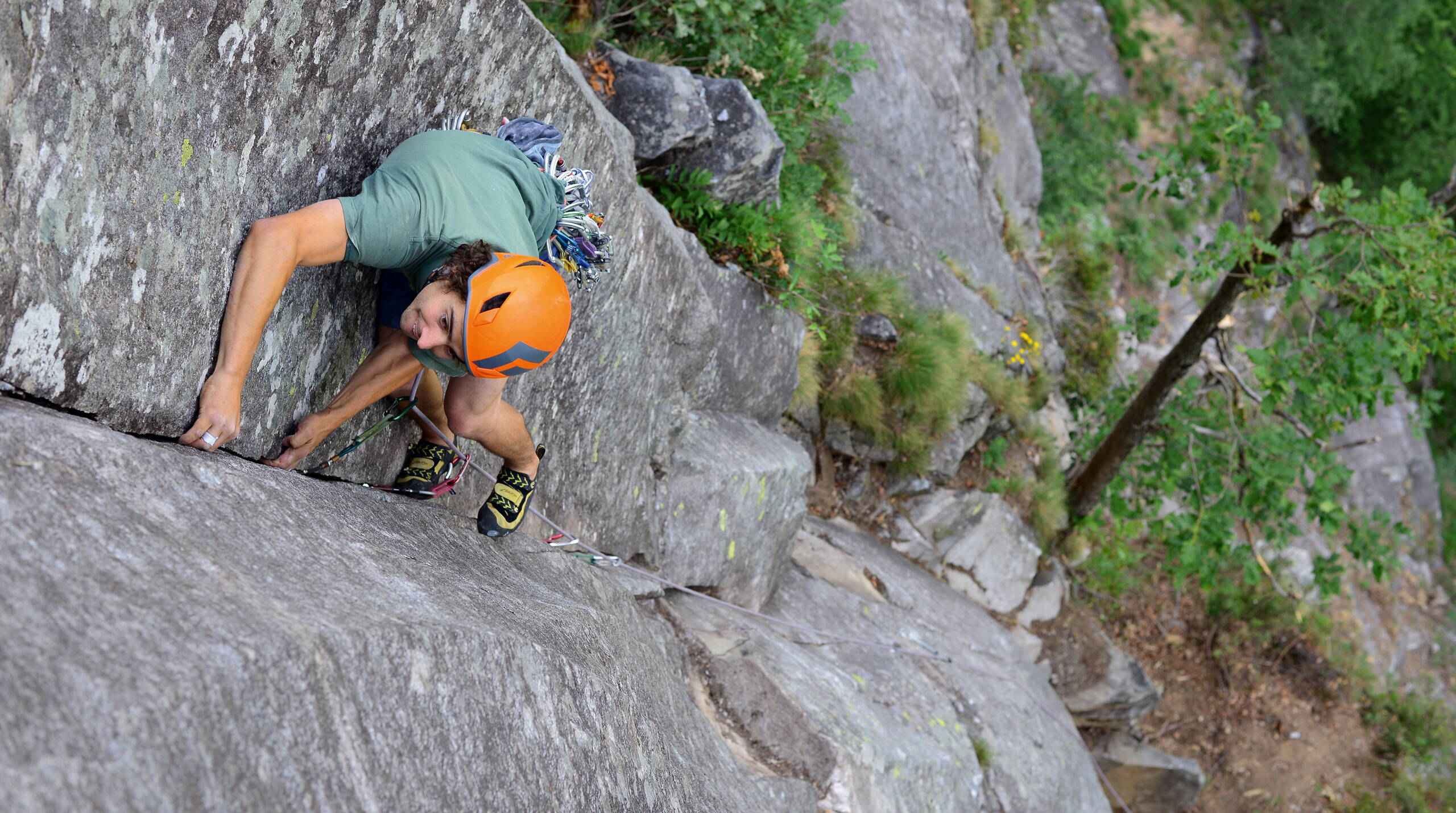
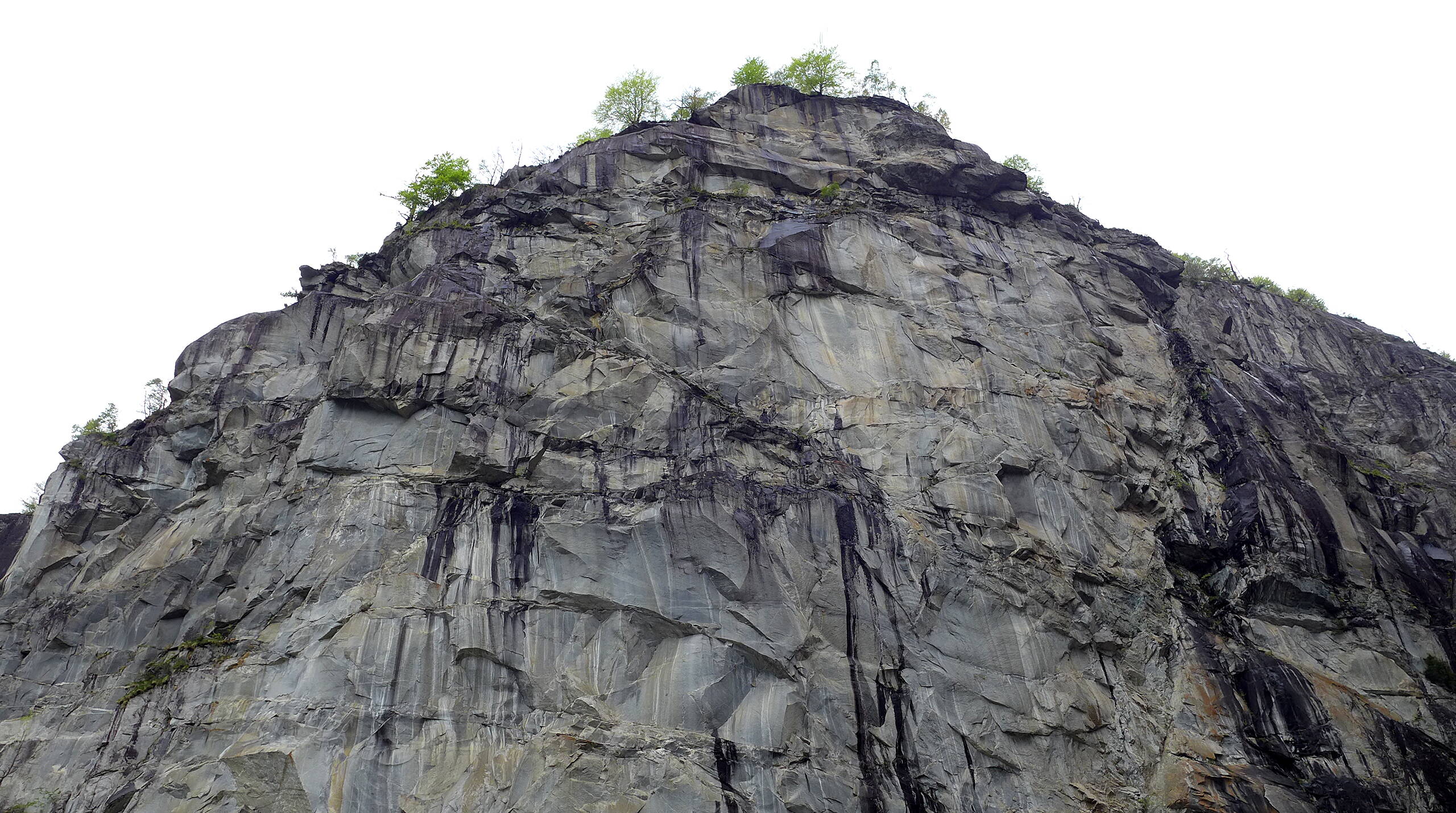
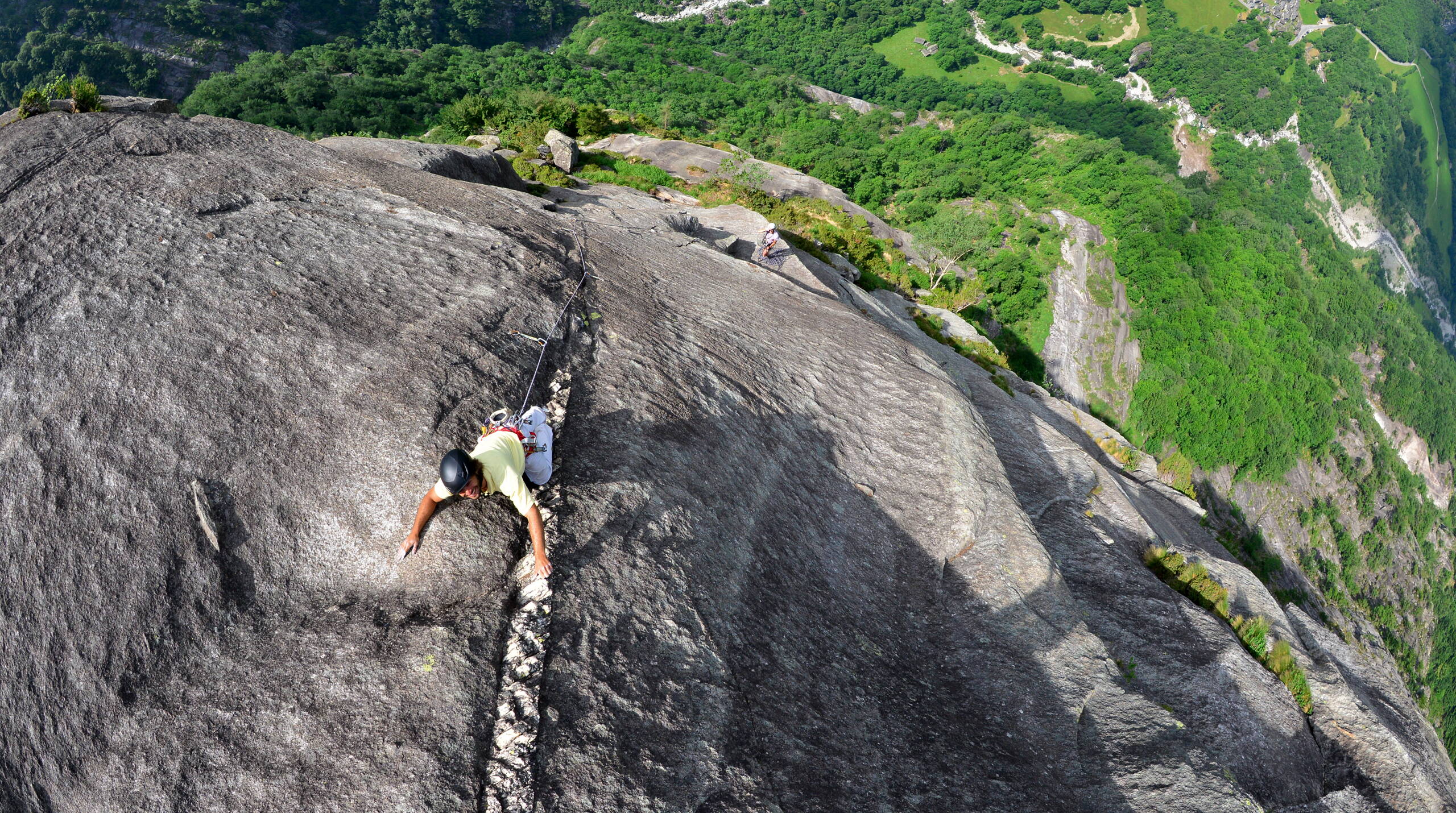
“Filo a Piombo” is one of the most beautiful multi-pitch routes in Ticino. The climb follows cracks and dihedrals up the steep forbidding wall in Canyon di Foioi. For the most part, this is a traditional area and you need to be versed in placing your own protection. Occasionally, you will encounter a single piton or bolt. Above the Canyon is “Alice”, this most recent new route soars 12 pitches up the rock buttress. It offers diverse and unique climbing.

Area News

13.4.2026
A major rockfall occurred on the 6th pitch of the “Alice” route in 2023. Marcel Dettling has now established a variation that bypasses the rockfall zone on the left (see topo). Pitch 7 climbs the upper part of the former pitch 6 (a beautiful, clean finger crack) after a short traverse. You can now skip the belay before the short connecting pitch and climb directly up to the belay before the 7a.
General notes on the route from Marcel:
We found the route very challenging (compared to Filo a piombo, which we had climbed the day before). In our opinion, pitch 3 is significantly harder than 7a+. Especially when climbed onsight or redpoint (with cam placement!). For shorter climbers who can’t reach the first bolt directly (depending on the Ape Index, this isn’t possible for anyone under about 175–180 cm) and have to make the undercling from the left, it’s a whole different ballgame anyway. The crack is also often damp or wet and completely overgrown with moss. It seemed to us that this section would be harder to climb than the 7c on Filo a piombo (though we haven’t done either of them...).
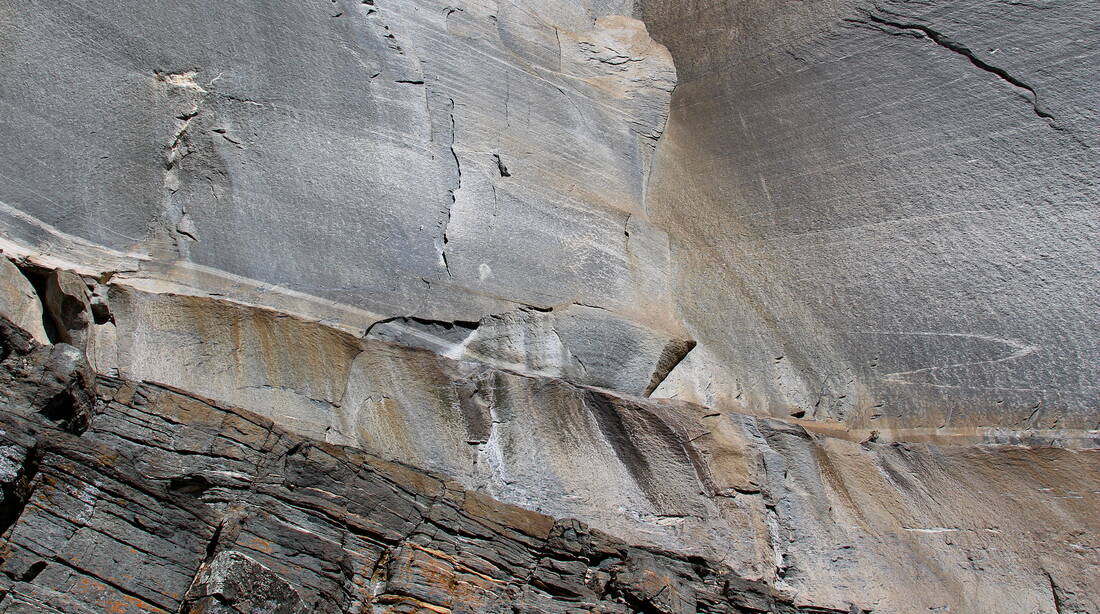
The 7a slab in pitch 8 is rated tough, has several crux sections, and is sparsely bolted in places, with the potential for nasty falls (severe scrapes, bruises, injured feet...). With its angular route and 55-meter length, it’s almost impossible to climb in one go due to rope drag. We managed to make our way up using an improvised intermediate belay. Rating slabs is always tricky, but 7b (7a upper limit) would probably be more appropriate. Pitch 10 (6c) follows a similar style, though it’s a tad more moderate: it’s rated tough, involves rope-pulling, has some crux sections, and you can definitely get hurt there too.
The pitches at the exit ledge (not described in *Extrem Sud*) are located directly on the descent route. On the right-hand variation, the 7a rating makes sense in the context of the route, but it’s a bit tight. In reality, it’s more like 7a+/7b (7a upper) and not particularly rewarding. The left variant offers the more enjoyable climbing. However, the 6c rating should be taken as a joke. Even though we were bouldering in “climbing garden” mode, we couldn’t even figure out all the moves—and it’s difficult over a long stretch, making it a real challenge to complete. Expect at least a 7c or higher, and bring an extra supply of skin for the rough, sharp rock.